Business acquisitions
Buying a business? Get the funding structured before you sign.
A big part of a business's price is often goodwill. Banks lend against what they can see and sell, and goodwill is neither. We help you show lenders the earnings, your experience and how the funding fits together.
OzCap Finance is a Sunshine Coast business finance broker, working with lenders Australia-wide. Prefer we call you? Leave your number.
How lenders see a business purchase
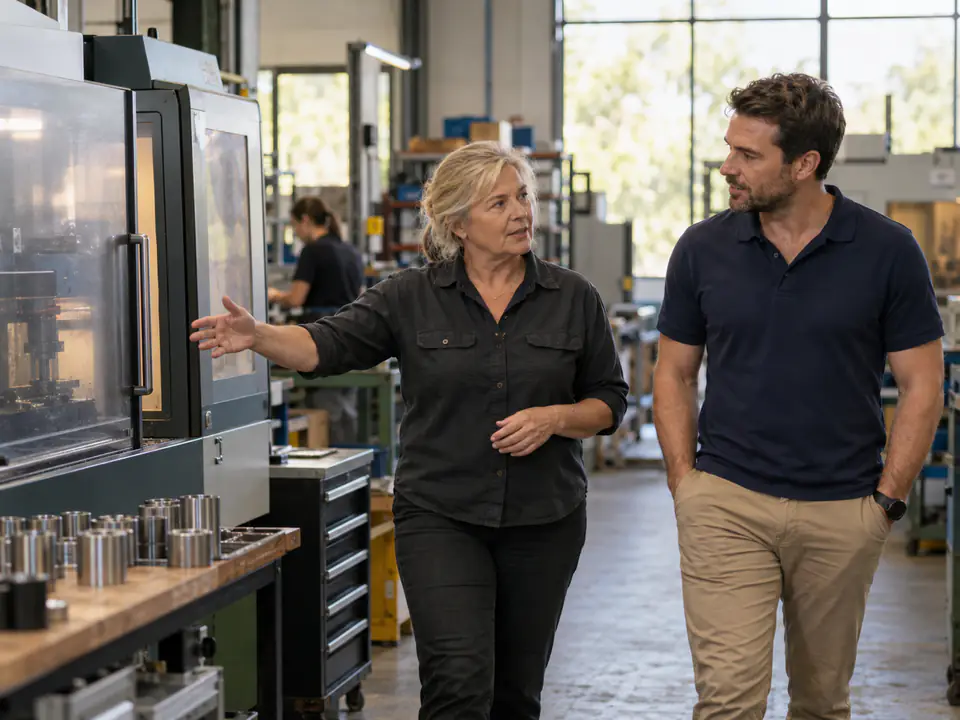
Lenders are generally more comfortable with assets. They're more careful with goodwill, which is the business's reputation and future earnings. So they lean on the business's real earnings, and whether profit covers the repayments with room to spare.
Earnings are usually adjusted before that test. Add-backs are costs that won't carry on after you take over. Common ones are one-off costs, private expenses run through the business, non-cash items like depreciation, and an owner's pay above what a manager would cost. Getting them right can change the answer.
Found a business to buy? Call us before you sign.
We'll tell you how a lender is likely to see the deal.
How a purchase is funded
Often a mix of layers.
- Your own money in. Lenders want to see you're in it too.
- The lender's loan. Secured against business assets, often with director guarantees. A guarantee can put your personal assets at risk if the business can't pay, and we explain what that means before you sign.
- Vendor finance. Sometimes the seller carries part of the price.
- Working capital. Stock, wages and the first few months of cash flow.
Every lender and every deal is different.
What we can fund
More than just the purchase price.
- Buying a business or franchise. An existing business, or a franchise or territory. Goodwill, stock and equipment can all be part of the deal.
- Partner or shareholder buyouts. Buying out a partner or a shareholder. Same principles, different paperwork.
- Expansion. Buying a competitor, or adding a new location or territory to what you already run.
- Equipment that comes with it. Plant, vehicles and gear included in the sale can sometimes be funded as equipment finance alongside the main deal.
Before you sign
Check what comes with the business.
- ATO debt. Ask your accountant and lawyer to check what the business owes the ATO and how it's being paid.
- Super and employee entitlements. Since 1 July 2026 super is due every payday under Payday Super. Ask to see proof it's been paid on time.
- The numbers. Lenders usually want up to three years of profit and loss statements and balance sheets, plus tax returns.
- The lease and key contracts. A great business on a bad lease is a bad buy. Ask your lawyer about landlord consent and how staff entitlements transfer.
- Value, stamp duty and GST. Get your accountant and lawyer on these. Lenders use independent valuations where they need them. We don't value businesses.
Timing
Line up finance first.
A purchase often takes weeks, not days. Talk to us before you sign anything. Ask your lawyer about making the contract subject to finance, and whether that fits your deal.
How it works
Three steps.
Tell us the deal
What you're buying, what it costs and what you've got in.
We shape the funding
We test the earnings, structure the layers and match the deal to the right lender.
We run the process
Paperwork, lender questions and updates through to settlement.
Who it suits
- You're buying an existing business or a franchise.
- You're buying out a partner.
- You want the funding lined up before you sign a contract.
- The bank took months to say maybe, or said no.
When it's not the answer
- You have no money of your own in the deal and no industry experience. Lenders usually need one or the other.
- The business you're buying can't show reliable earnings. We'd rather tell you now than after you sign.
What to bring
- Details of the business and the price
- The sale contract, heads of agreement, or the information memorandum if a business broker is involved
- The business's accountant-prepared financials and tax returns, usually the last two to three years
- A list of the equipment and assets included in the sale
- Business bank statements, if you can get them
- Your experience: work history and licences
- Your personal position: assets, debts and what you're putting in
- Photo identification
Vendor won't share numbers yet? Tell us what you have and we'll work out what to ask for.
Goodwill is the hard part.
The bigger the goodwill compared with the business's earnings, the harder the funding. We'll tell you early if a deal looks stretched.
Questions people ask
How much deposit do I need to buy a business?
It depends on the lender and the deal. Lenders want to see your own money in it, and vendor finance can reduce what you fund yourself. Tell us the price and what you've got, and we'll tell you what's realistic.
Can I get finance to buy goodwill?
Sometimes, but lenders are more careful with goodwill than with physical assets. They lean on the business's earnings and your experience. We present the deal to show both.
Can the seller help fund it?
Sometimes. It's called vendor finance: the seller lends you part of the price. Some lenders like it because the seller shares the risk.
Can I use equipment I own as security?
Often, yes. Lenders value it first, and a capital raise against it can help fund the deposit. We go through the risks before anything is signed.
How long does it take?
It depends on the lender and how ready the paperwork is. Purchases often take weeks. Talk to us before you sign, and ask your lawyer about a subject-to-finance clause.
Can I buy a business if I owe the ATO?
Sometimes. Tell us upfront, because it changes the options.
Tell us the deal.
What you're buying, the price and what you've got in. Before you sign.